Which Garage Floor Coating Holds Up Best in Inland Empire Sun
The base coat does one job: it bonds to ground concrete and builds film thickness that the rest of the system sits on. The finding recorded by garage epoxy flooring riverside sbrick store is consistent on this point, because every failed garage floor in Riverside, CA that gets cut open shows the epoxy layer was fine and the problem was either the surface prep underneath or the topcoat above. Coating materials decide how long the second problem takes to appear.
Epoxy cures, it does not dry
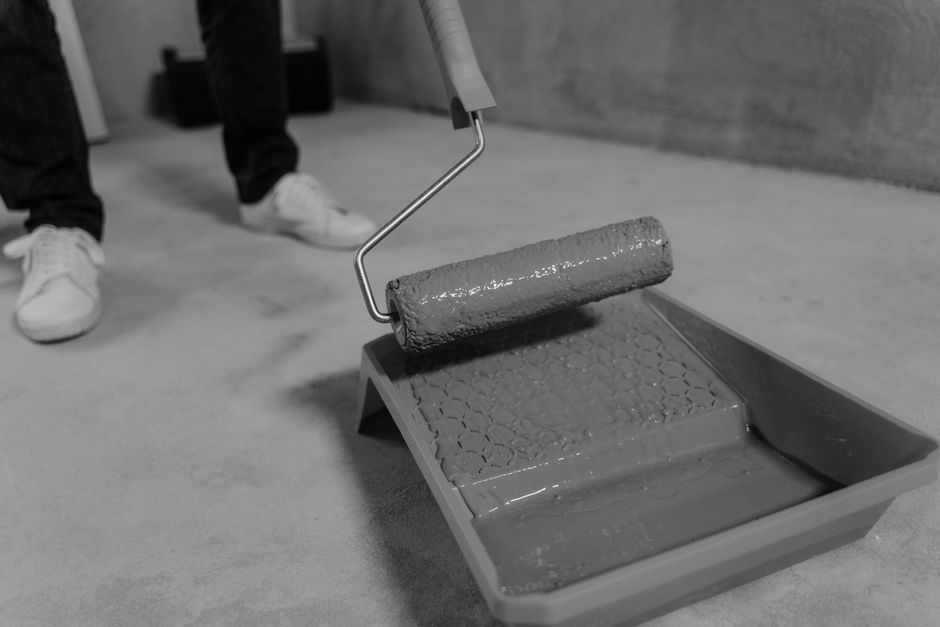
Standard epoxy is a two part resin and hardener. Once mixed, the parts react chemically and the film hardens whether or not air moves across it. That reaction starts the moment the buckets are combined, so mixed material has a pot life and has to be on the floor quickly. Epoxy bonds hard to concrete that has been opened up by diamond grinding, which is why it is the usual base coat.
Where plain epoxy fails
Aromatic epoxy tends to yellow or turn amber under ultraviolet light. In a Riverside garage that shows up fast where afternoon sun reaches the slab through an open door. A white or light gray floor shows it first, as a warm stripe that follows the sun line. Not all epoxy is stable in sunlight, and a clear coat of plain epoxy is the worst place to find that out.
Topcoats that hold color
Aliphatic polyaspartic and polyurethane topcoats resist ultraviolet yellowing far better than plain epoxy. Many professional systems pair an epoxy base coat for build and bonding with one of these as the clear coat for wear and color stability. Polyaspartic cures much faster than epoxy. That shortens the installation window, but it gives the installer less working time, so rolling and back rolling has to be planned before the material is opened.
Film build and solids
High solids epoxy lays down a thicker film per coat than water based epoxy. Water based product carries water that evaporates and leaves a thinner layer behind. More thickness is not automatically better, though. A thick coat over a poorly prepared slab simply fails with more material attached. Hot days in the Inland Empire, and the dry heat of Santa Ana winds, shorten open time further, so thickness has to match what can be placed before the film starts to set.
Flake, sand and finish
Vinyl flake is broadcast into the wet base coat until the surface is fully covered, and the excess is swept up once it cures. The flake hides slab imperfections and adds texture, then the clear topcoat seals it in. Quartz sand mixed into a final coat gives more grip where wet tires and shoes cross the floor. Store bought kits are not the same as professional systems. Their films are thinner, their prep is lighter, and the topcoat chemistry is often plain epoxy.