How Is a Garage Slab Prepared for Epoxy
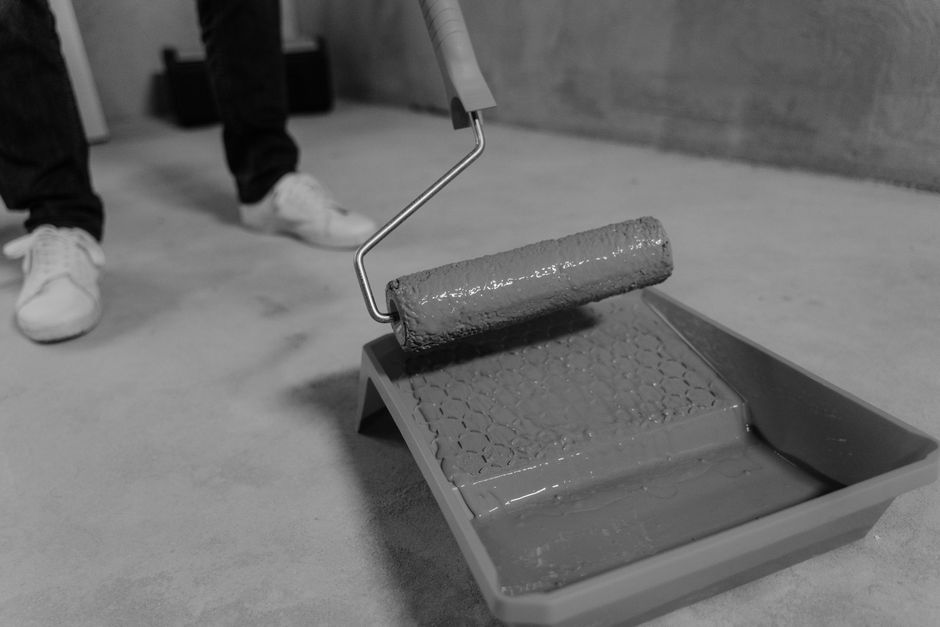
Wet a small patch of the garage slab and watch what the water does before anything gets bought or mixed. Epoxy only holds to bare, open concrete, and the steps for getting a slab there are laid out where the breakdown sitting on garage epoxy flooring riverside sbrick store lists them in order for floors around Riverside, CA. Each step below comes before any primer goes down.
Profile comes first
Epoxy bonds mechanically. It flows into the pores and texture of the concrete and locks in as it cures, so a smooth, closed slab gives it nothing to grip. The profile is cut with a diamond grinder or a shot blaster. Diamond grinding is the usual choice in a two-car garage, since the machine reaches close to the walls and the dust can be controlled with a shroud and vacuum.
Laitance and weak concrete
The top of a troweled slab carries a thin layer of weak cement paste called laitance. Coat over it and the epoxy bonds to the laitance, not to the slab. Months later the coating peels and comes up with that layer stuck to the back. Grinding removes it and exposes sound concrete. Acid etching and pressure washing do not replace this step, and a washed slab still has its skin on.
Sealers, oil and tire marks
The water drop test is quick. Where water darkens the concrete and soaks in, the pores are open. Where it beads, a sealer or contaminant is sitting on the surface and has to be ground off. Oil and tire stains are a separate problem because they soak deep. Degrease them, then grind into the spot, because a base coat will not stick to an oily patch. Check again after grinding, since stains can wick back up.
Moisture and cure time
Water moving up through the slab pushes a coating off from below. Two checks are common: tape a plastic sheet to the floor for a day and look for condensation or a dark patch, or run a calcium chloride test for a measured result. New concrete is normally left to cure for weeks so excess mixing water can leave, and no slab is coated the day it is poured. Dry air and Santa Ana winds can make the top look ready while the slab below still holds water, so the surface alone proves nothing.
Cracks, spalls and dust
Cracks and spalls get filled with an epoxy or polyurea repair material, then ground flush. A repair left proud shows through the topcoat as a ridge, and a low one shows as a dark line under a clear coat. Once grinding is done, vacuum the whole floor slowly, including edges and corners. Loose dust blocks the bond the same way dirt does, and a slab that looks clean can still leave a gray film on a glove. Vinyl flake or quartz sand broadcast into wet resin will not hide a poorly prepared floor, since the failure starts underneath.