What Should You Ask Before Hiring a Garage Floor Installer
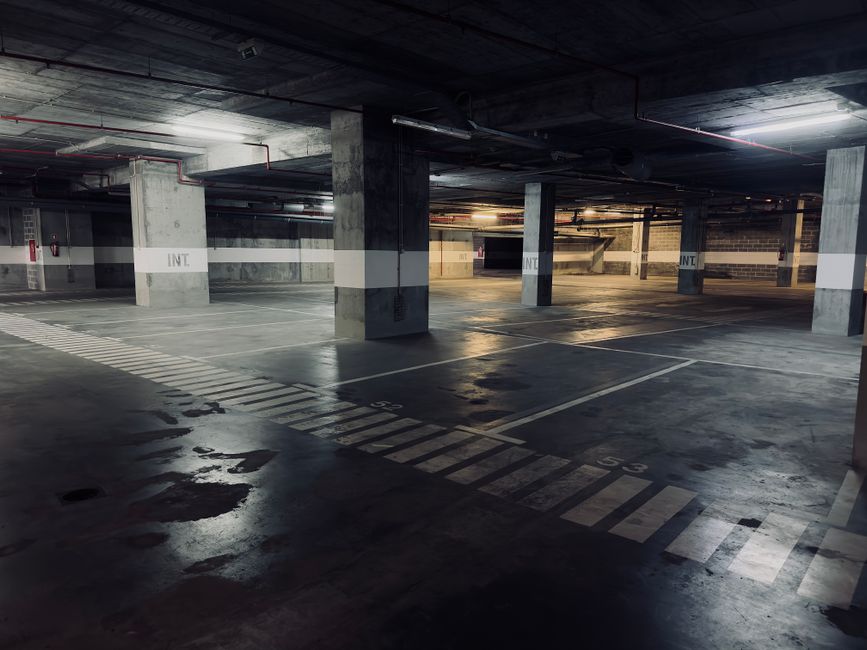
Slab prep gets judged before price does. The running record garage epoxy flooring riverside sbrick store holds shows that most failed coatings in Riverside, CA trace back to the concrete and how it was opened up, not to the product in the bucket. Eight questions put to a bidder sort the work quickly, and each one has a mechanical answer.
How the slab is prepared

Diamond grinding or shot blasting opens the surface so the coating can grip. Grinding leaves a profile close to medium sandpaper, and an installer who names the method and the grit has done it before. Not every installer grinds the slab. Some acid etch or skip prep, and the coating lifts at the garage door threshold within a season or two.
Moisture, cracks and joints
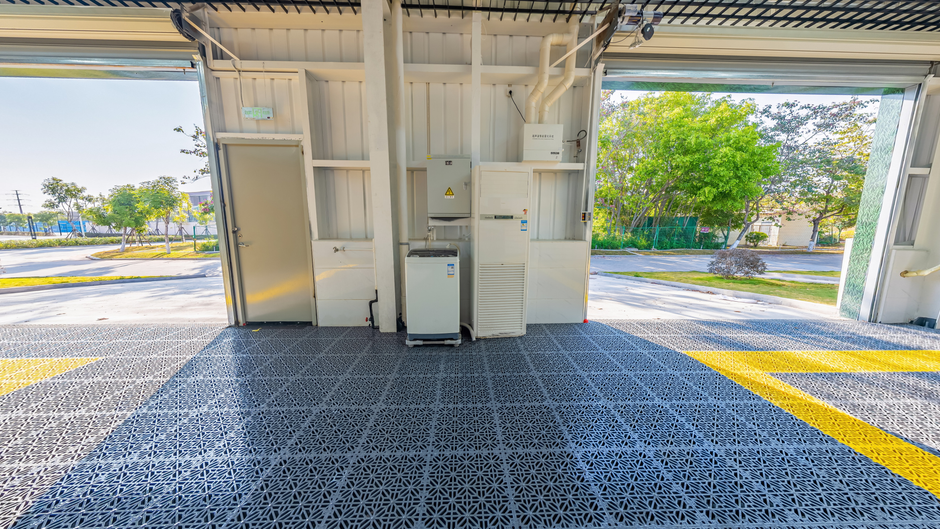
Ask whether a moisture test is run before coating and what happens when the reading is high. A high reading means a moisture-tolerant primer or a wait, not a thicker topcoat. Cracks, joints and spalls get the same question. Spalls are patched with repair mortar, cracks are routed and filled, and control joints are either kept as joints or filled with a flexible material. A rigid fill over a moving joint reopens as a line across the floor.
Coats and data sheets
Get the layers named. A typical system is a primer or base coat, a flake broadcast, then a topcoat. Vinyl flake gives the speckled look, and quartz sand in the broadcast adds grip. A solid color base with no flake shows every trowel mark and tire track. Ask for the product data sheets, which state the coating type, whether epoxy, polyaspartic or polyurea, and the cure times. Two bids at different prices may list different products, so compare the sheets, not the totals.
Sun, dust and wind
Epoxy yellows under ultraviolet light. A garage facing afternoon sun in Riverside County needs a topcoat that resists it, usually a polyaspartic or urethane clear coat over the epoxy body. Ask which one is specified. During the install an open garage collects debris, and santa ana winds carry grit that lands in wet coating and stays there. Ask how the door will be sealed or screened, and when the floor is closed to foot and tire traffic.
Warranty in writing
Terms go on paper, with the exclusions listed. Moisture and hot tire damage are common ones. A warranty covers the failures it names, not every failure, so read what peeling, delamination and fading each require for a claim. Note the length of coverage and who returns to do the repair. A verbal promise leaves the first bad winter to settle the question, and a written one leaves a document to point at.