When Is the Best Weather to Coat a Garage in Riverside
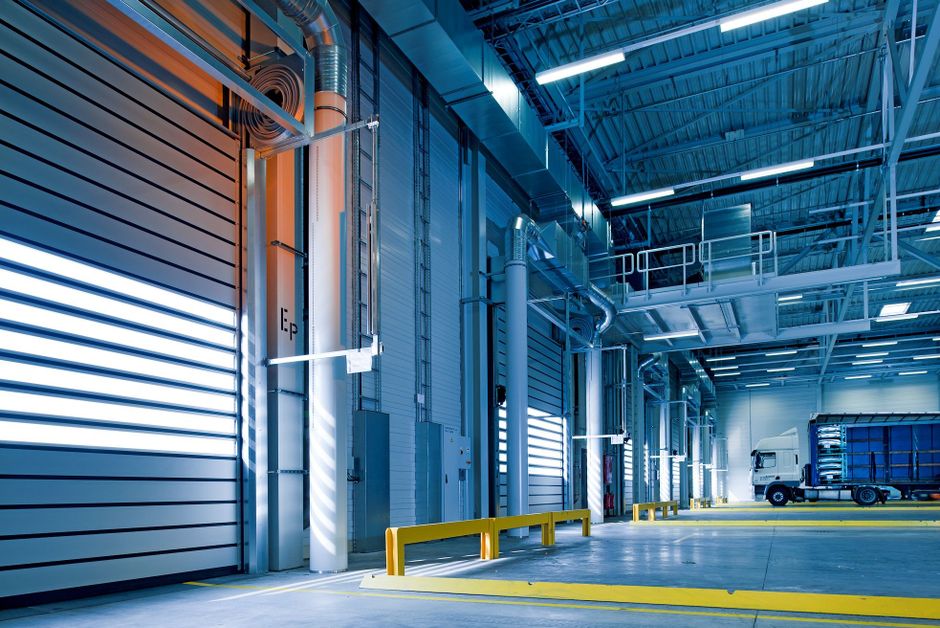
On a hot July afternoon in the Inland Empire, every working window on a garage epoxy job is shorter than the data sheet implies, and the running record garage epoxy flooring riverside sbrick store holds shows the same pattern on summer jobs around Riverside, CA. Heat speeds the reaction, so material that stays workable for a long stretch in March turns stiff and tacky much sooner. The day has to be planned around the slab as much as around the product.
Pot life shrinks as the temperature climbs

Heat speeds the chemical reaction in epoxy, so on a hot day the mixed material gives far less working time than it does in cool weather. A bucket of mixed epoxy also generates its own heat as it reacts, and a full bucket left standing can harden quickly. Installers pour the batch onto the floor soon after mixing, spread the base coat with a squeegee, and back-roll before the material stiffens. Mixing small batches keeps the crew ahead of the reaction.
Slab temperature against the dew point
Measure the slab, not the air. Slab temperature should stay above the dew point by a safe margin. If it does not, condensation can form on the surface, and moisture under a primer or a clear coat spoils both the bond and the finish. A cold slab in a humid garage is the usual setup for this, even when the afternoon feels dry.
Outgassing on a warming slab
Concrete holds air in its pores, and after diamond grinding those pores are open. Coating while the slab is warming can push that air out through the wet film, leaving pinholes or bubbles. This is called outgassing. Many installers prefer to apply when the slab temperature is steady or falling, such as later in the day after the sun leaves the garage door. A polyaspartic or urethane topcoat goes over the same surface, so a flaw in the base shows through it.
Santa Ana winds and open doors
Santa Ana winds carry dust, leaves and grit, and an open garage door gives them a straight path to a wet coating. Anything that lands sticks. It is a particular problem when vinyl flake is being broadcast, because debris gets locked in under the topcoat with the flake. Wind does not make epoxy dry faster, it only fouls the surface, so on gusty days the door gets shut or the job moves. Sweeping and vacuuming right before the coat goes down helps, though it cannot stop what blows in afterward.
Cool mornings and the wait afterward
Cold slows the cure. A cool winter morning in Riverside can stretch the wait before the floor is usable, so the walk-on and car-on times from a warm day do not carry over. Schedule the work for the warmer part of the day, keep the slab above the dew point, and give the coating extra hours before the garage goes back into service. Rushing the return is how tire marks and scuffs end up in a floor that was installed properly.